2 hr 30 min
Kawiti Glowworm Caves Guided Experience from Paihia
- Expert local guide
- Small group
- Skip-the-line access
- Free cancellation
Paihia to Kawiti Glowworm Caves — Guided Underground Tours
Ancient limestone passages lit by living constellations, thirty minutes from the Bay of Islands
Compare fares, pick the fit — all bookings are mobile-voucher and eligible for free cancellation where shown.
2 hr 30 min
4 hr
4 hr 30 min
| Experience | From | Duration | Rating | Guide | Small group | Free cancel. | Price | |
|---|---|---|---|---|---|---|---|---|
|
Guided Experience
Most popular
Kawiti Glowworm Caves Guided Experience from Paihia
|
Paihia | 2 hr 30 min | ★ 4.9 | ✓ | ✓ | ✓ | €79 | Book → |
|
Standard Entry
Kawiti Glow Worm Caves & Ancient Kauri Forest Discovery
|
— | 4 hr | ★ 4.5 | ✓ | ✓ | ✓ | $148 | Book → |
|
Standard Entry
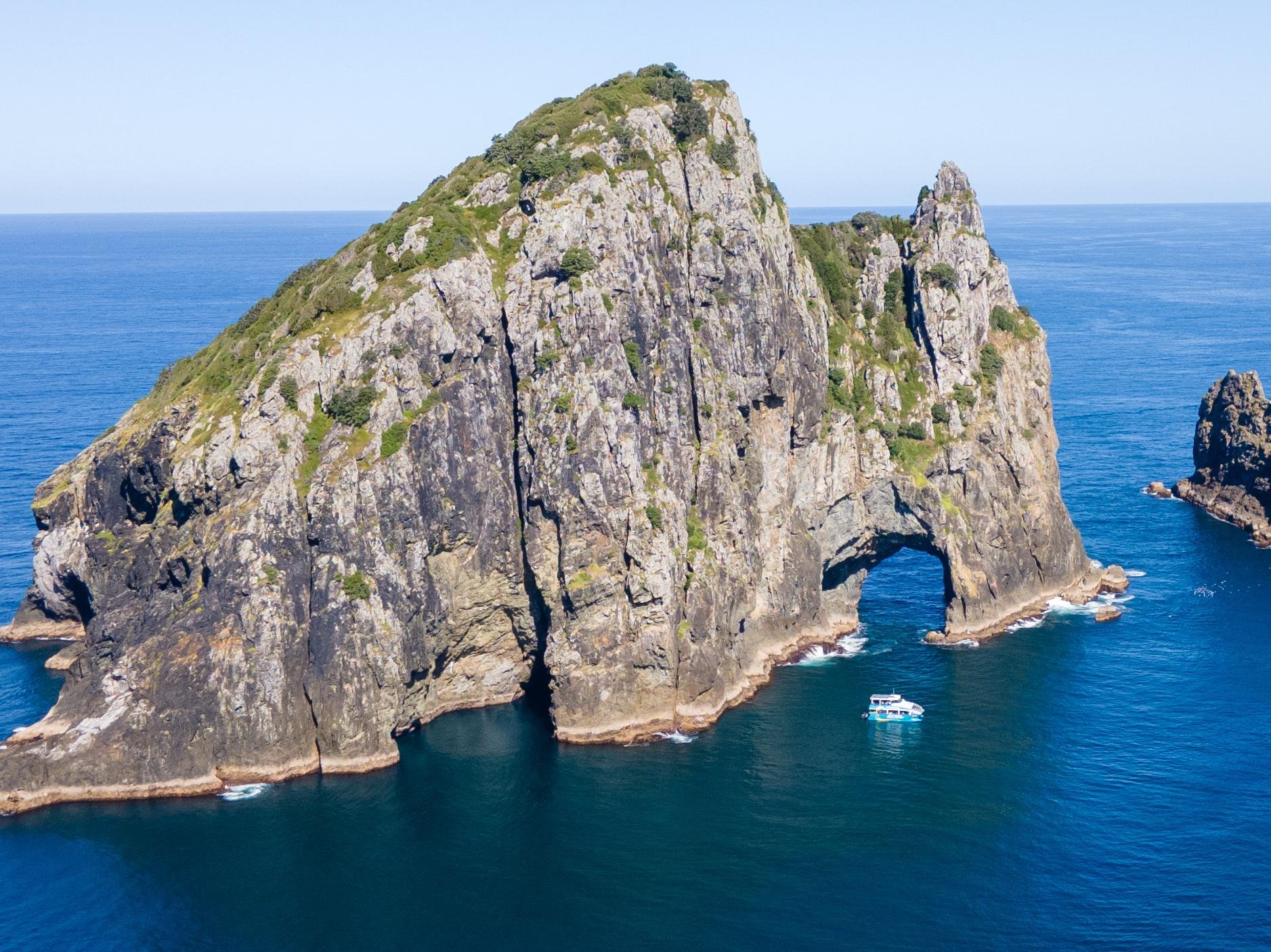
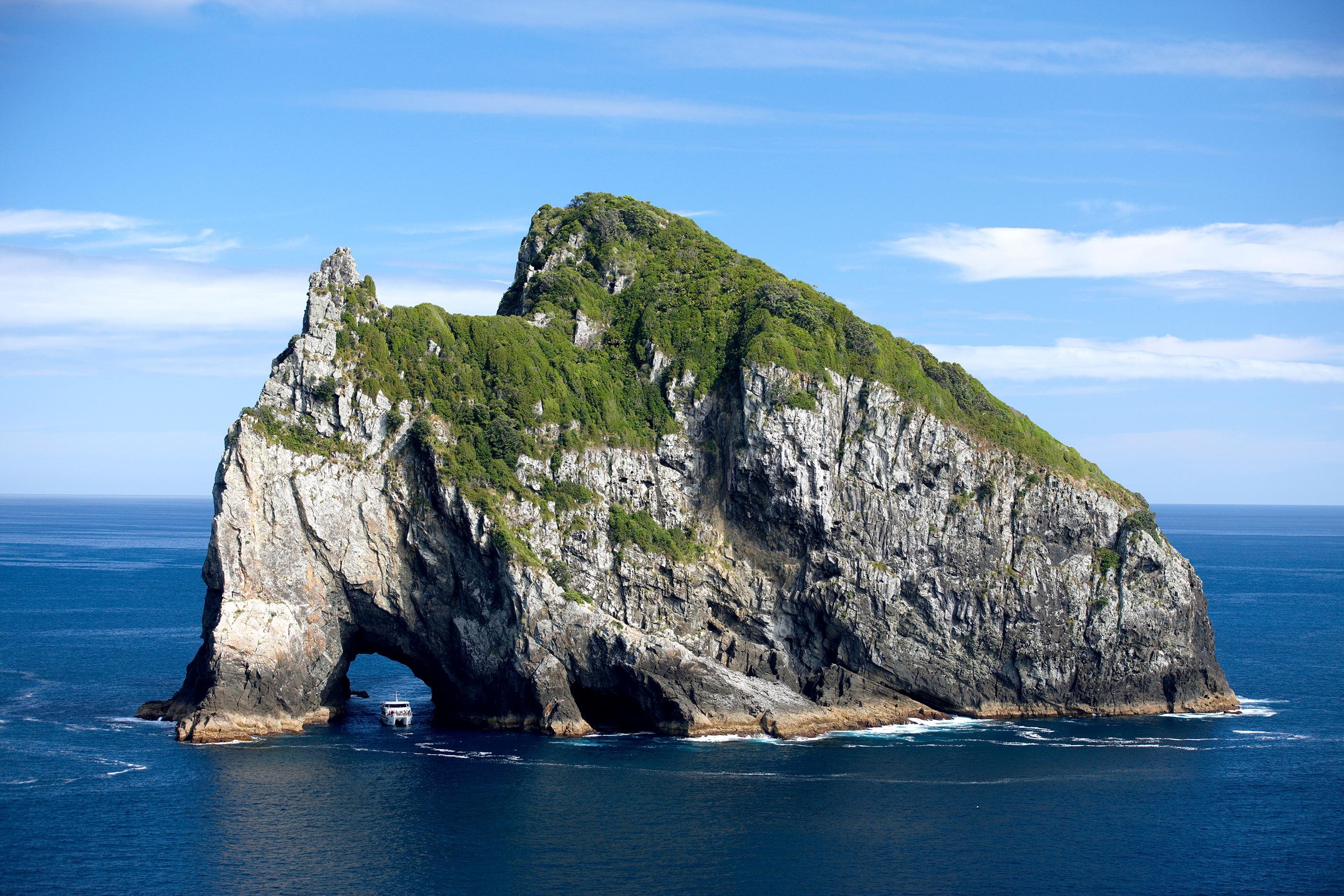
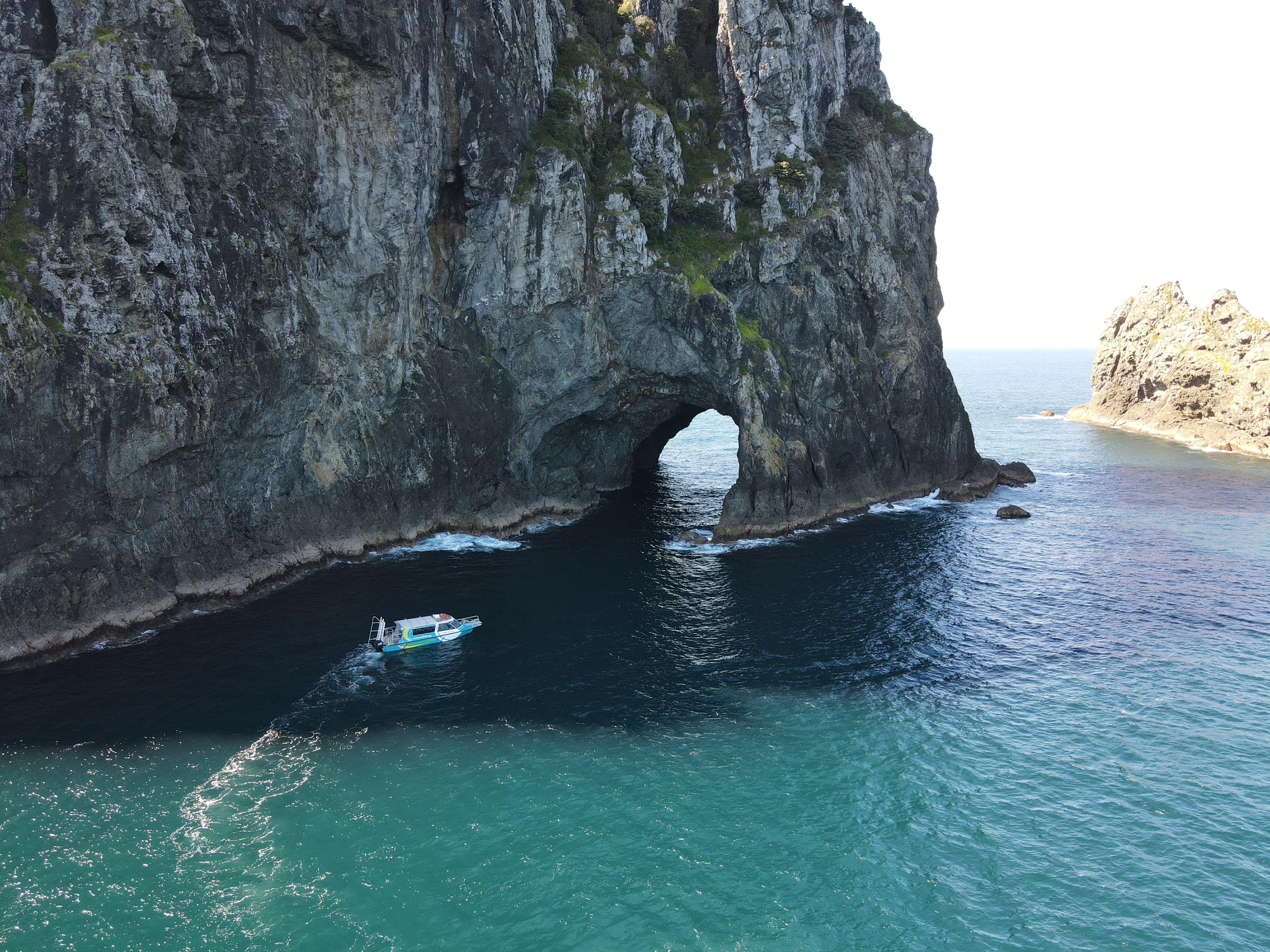
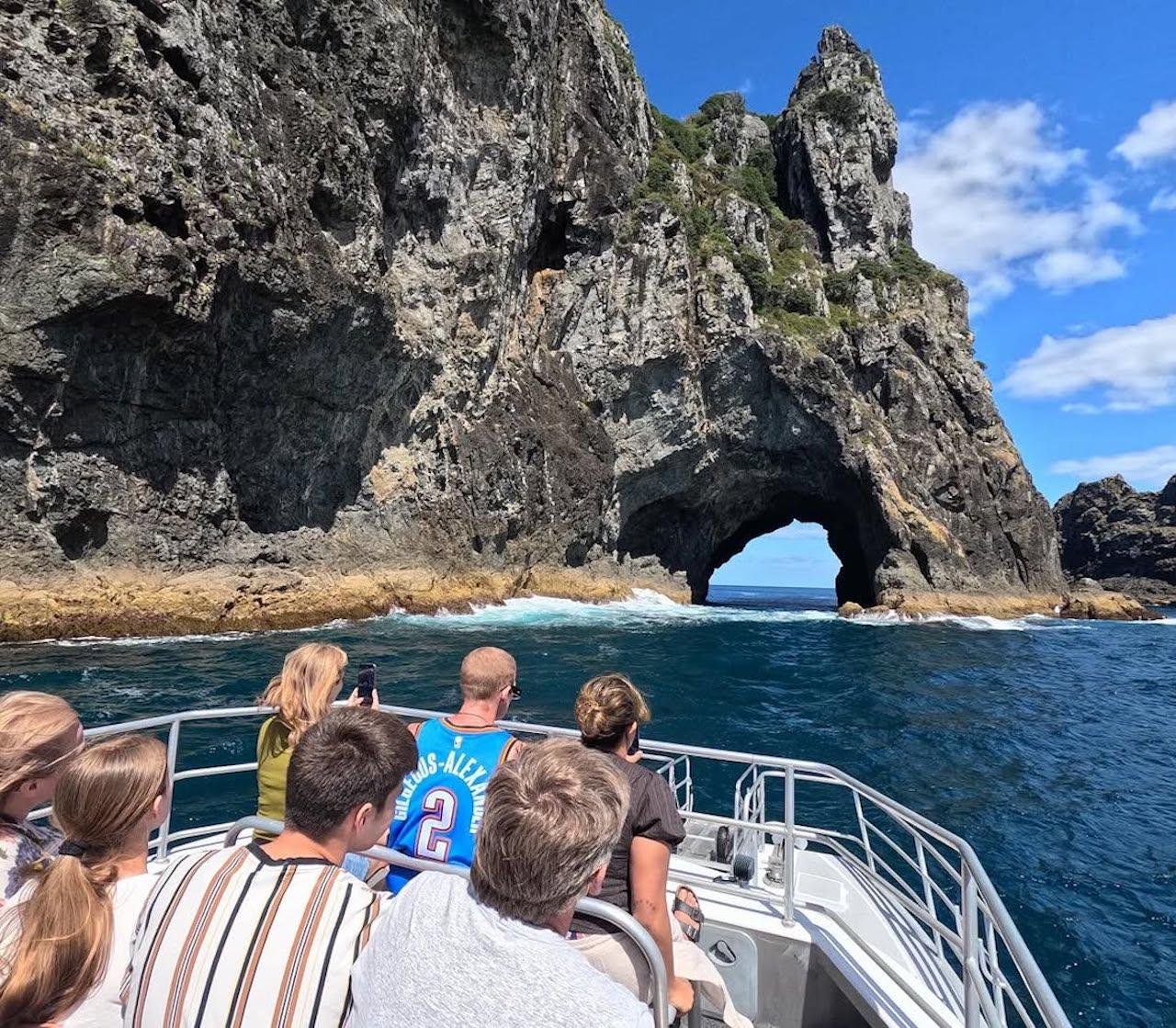
Bay of Islands Cruise: Hole in the Rock & Island Landings
|
— | 4 hr 30 min | ★ 4.8 | ✓ | ✓ | ✓ | €86 | Book → |
Worth it for guided glowworm expertise and conservation
The 50 NZD admission for paihia to kawiti glowworm caves delivers more than luminescent displays—it buys access to Māori-guided storytelling that contextualizes the limestone formations and Arachnocampa luminosa colonies within centuries of ancestral knowledge. Unlike self-guided commercial caves elsewhere in Northland, Kawiti operates as a family-managed conservation site where your fee directly sustains predator control, humidity monitoring, and the guides' intimate familiarity with seasonal worm behavior. The caves themselves harbor dense glowworm populations in low-traffic chambers, yielding darker conditions and brighter displays than larger tourist operations. For travelers prioritizing ecological integrity and cultural depth over sheer cavern scale, the kawiti glowworm caves tour justifies the ticket price. Budget-conscious visitors or those seeking multi-hour underground expeditions may find better value in Waitomo's larger networks, but Kawiti's compact 30-minute guided experience trades duration for authenticity and direct conservation impact.
Bottom line: If you value guided expertise and conservation funding over extended underground time, paihia to kawiti glowworm caves tickets deliver measurable ecological and cultural returns for the 50 NZD fee.
Kawiti Caves provide a structured, educational journey through private land, while Waipu Caves offer a raw, self-directed exploration for those comfortable navigating rugged terrain.
|
Top pick Kawiti Caves |
Waipu Caves | |
|---|---|---|
| Guided vs Self-guided | Guided tour only | Self-guided exploration |
| Accessibility Level | Maintained walking tracks | Rugged, uneven cave floor |
| Cultural Significance | High; Māori family-owned | Limited; public conservation area |
| Commercial Development | Developed with infrastructure | Minimal, natural state |
| Cave Environment | Limestone passage with galleries | Expansive caverns and stream |
| See tickets & prices |
Verdict: Those seeking a safe, informative paihia to kawiti glowworm caves tour should choose Kawiti, whereas adventure seekers prioritizing independent discovery will prefer the untamed nature of Waipu; check local paihia to kawiti glowworm caves tickets availability before departure to secure your paihia to kawiti glowworm caves tours spot.
Hand-picked experiences loved by thousands of travelers
4.5 hours
Free Cancellation
Catamaran journey to iconic Piercy Island with wildlife spotting and island beach time included
3 hours
Free Cancellation
Three-hour maritime adventure exploring dramatic rock formations and pristine island lagoons
11 hours
Free Cancellation
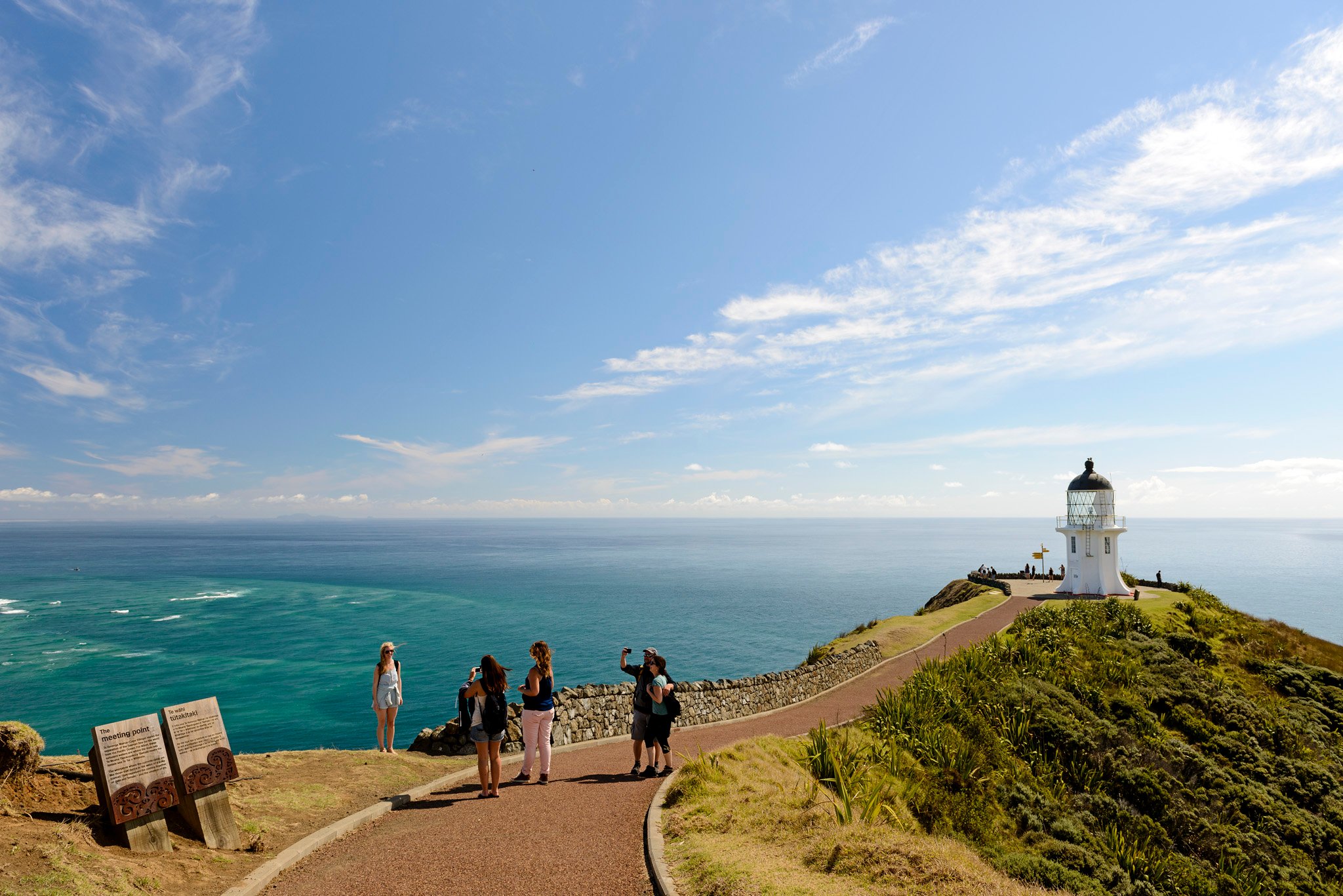
Journey to New Zealand's northernmost tip, explore sacred Māori sites, and cruise along epic coastal sands
2.5 hours
Free Cancellation
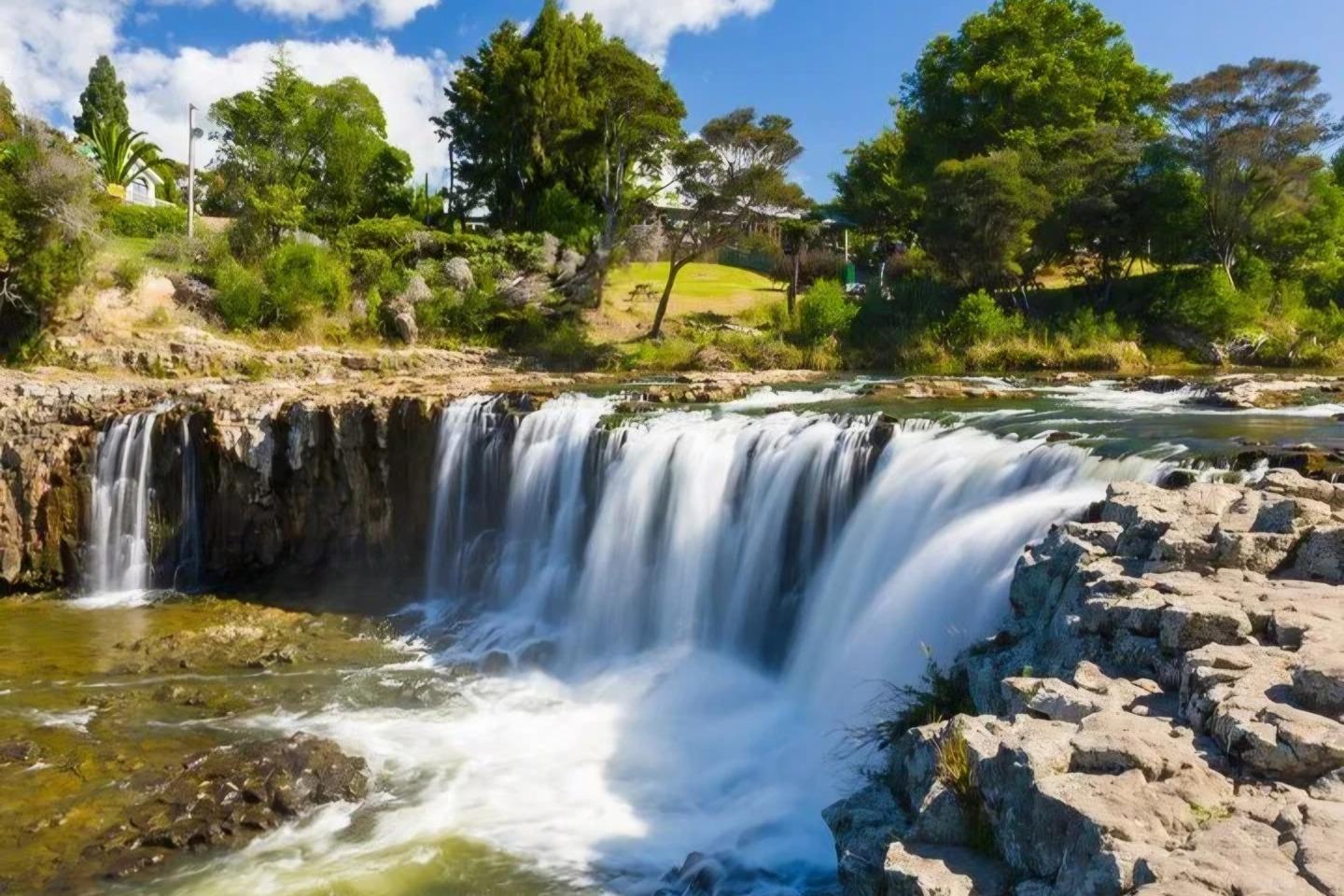
Journey into illuminated underground chambers and witness a rare horseshoe waterfall in New Zealand's north
3 hours
Free Cancellation
Explore pristine islands, stop at Twin Lagoons, and cruise past the iconic Hole in the Rock on this intimate voyage.
30 minutes to 1 hour
Free Cancellation
Ride a powerful V8 Chevy Trike along coastal roads to waterfalls and scenic viewpoints in New Zealand
4 hours
Free Cancellation
Sip your way through award-winning wineries and a craft brewery on this small-group afternoon tour
4.5 hours
Free Cancellation
Fly to New Zealand's northernmost point and explore by land with a local guide on this unforgettable half-day adventure
You leave Paihia behind and drive inland through rolling dairy country, the coast receding as the road climbs toward Kawakawa. Thirty minutes later you turn onto Waiomio Road and follow it to a gravel carpark shaded by native bush.
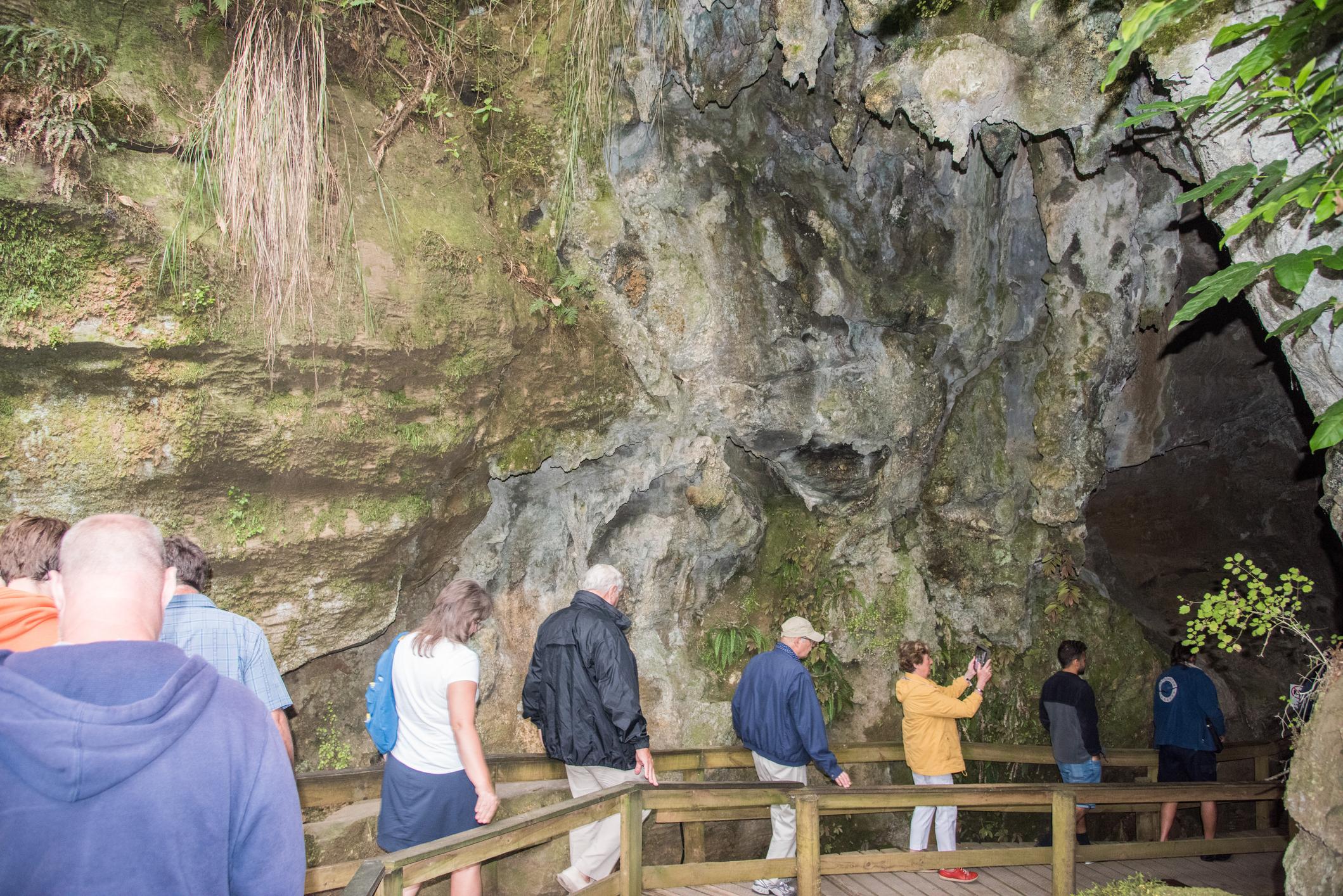
The cave entrance lies fifty meters uphill, framed by nikau palms and tree ferns that thrive in the humid microclimate rising from below.
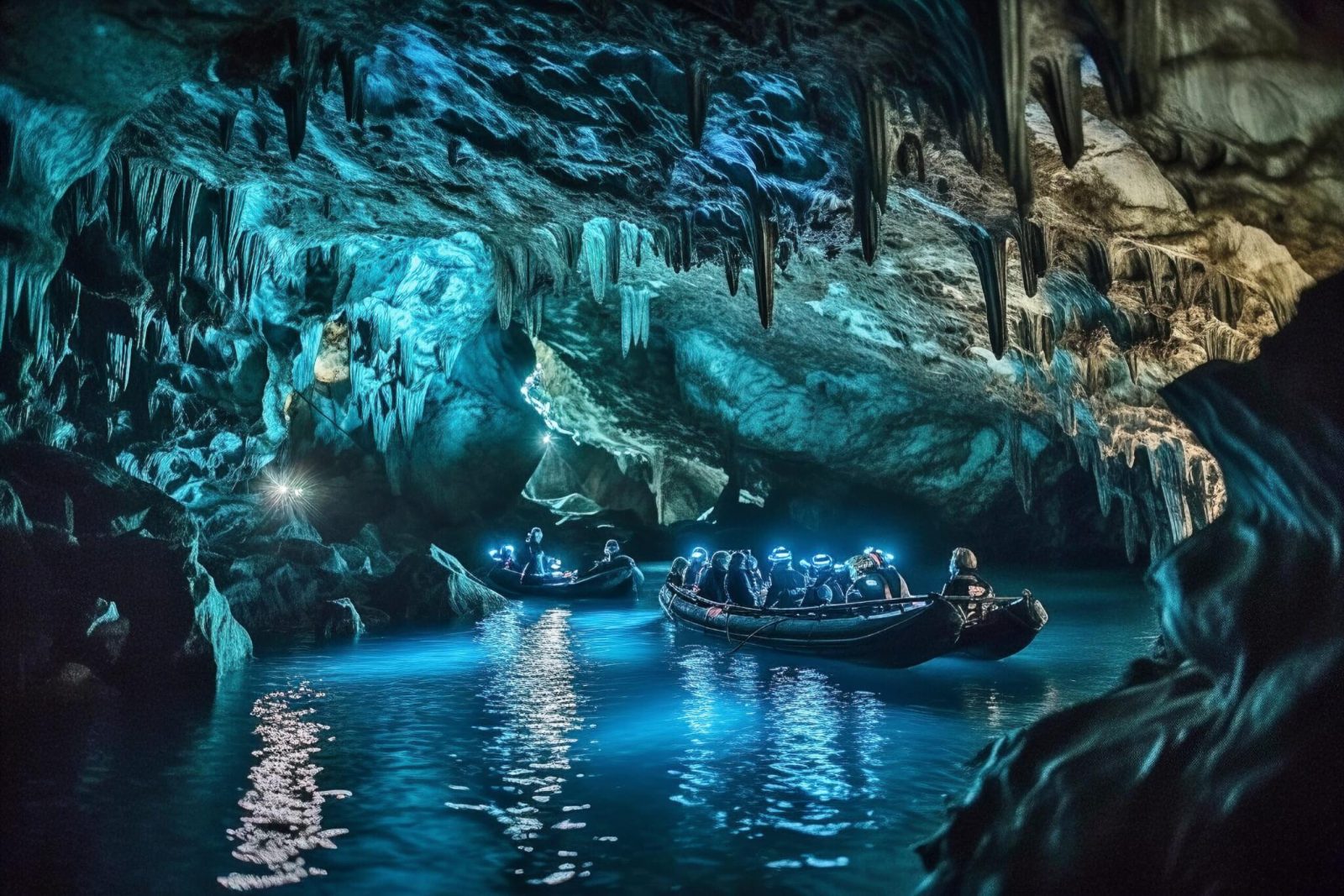
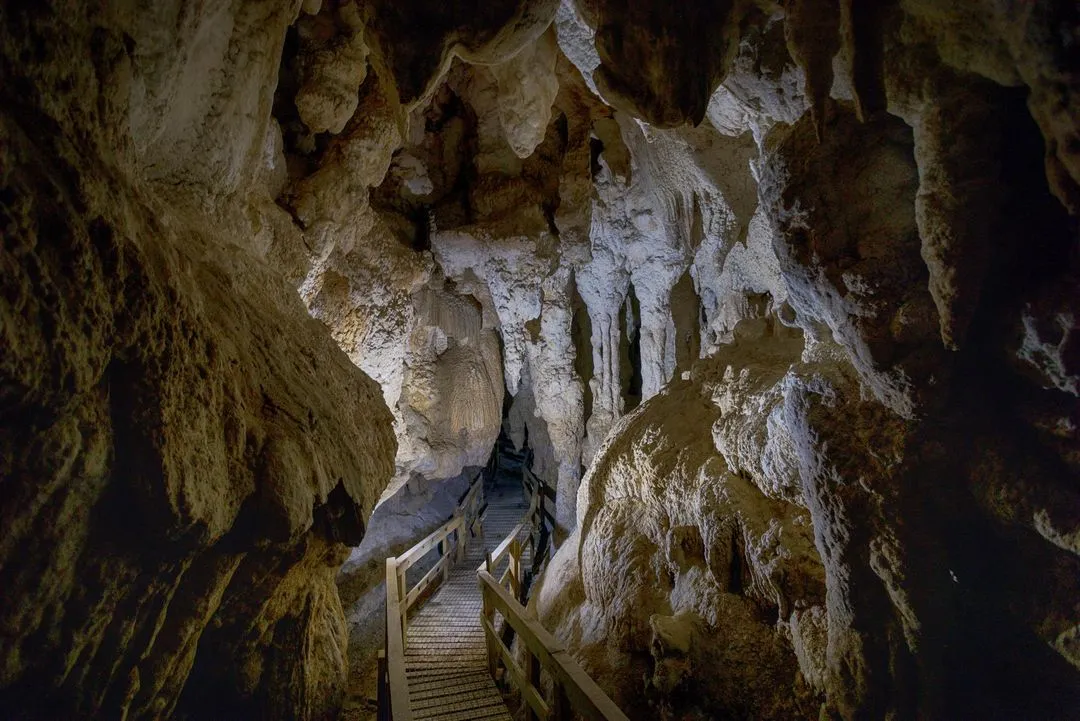
Your guide meets you at the threshold—a simple timber archway with no signage, no ticket booth, just earthen steps descending into cool darkness. You switch on your torch and follow the group into the main passage, where the temperature drops ten degrees in as many steps. The path underfoot is compacted clay, slightly uneven, and the walls press close enough to touch the wet limestone. Stalactites appear first as pale shadows, then sharpen into fluted columns as your eyes adjust.
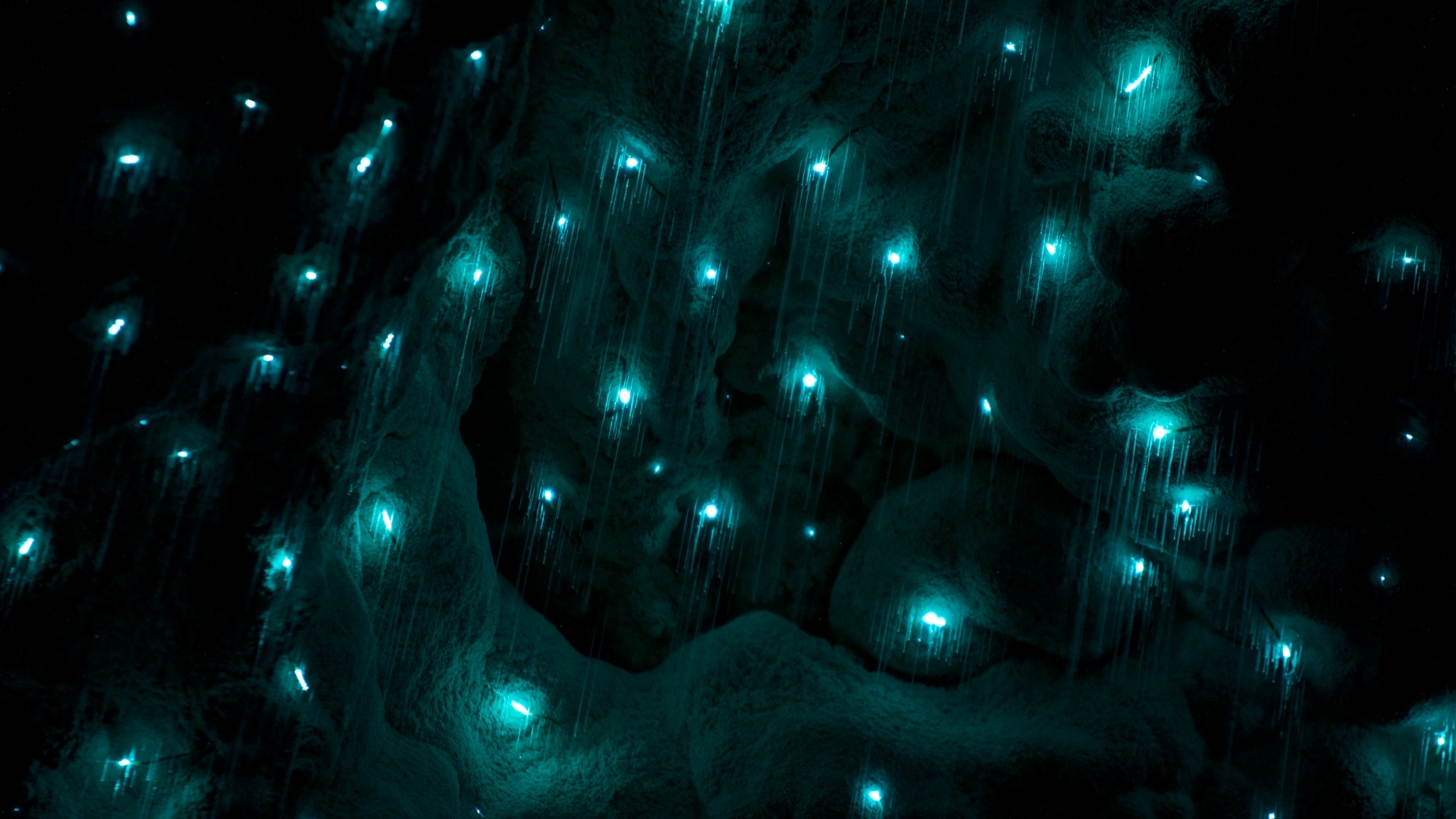
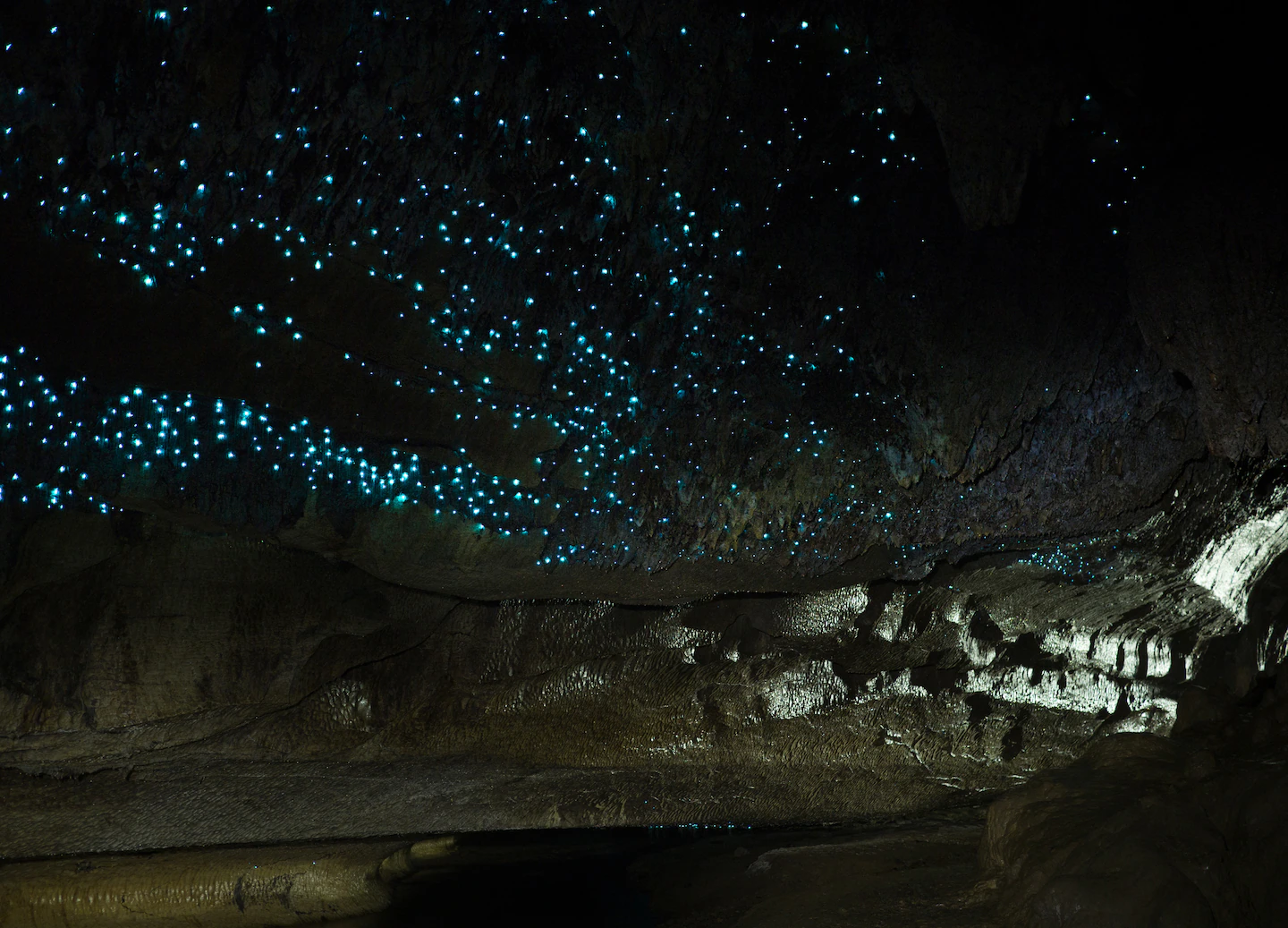
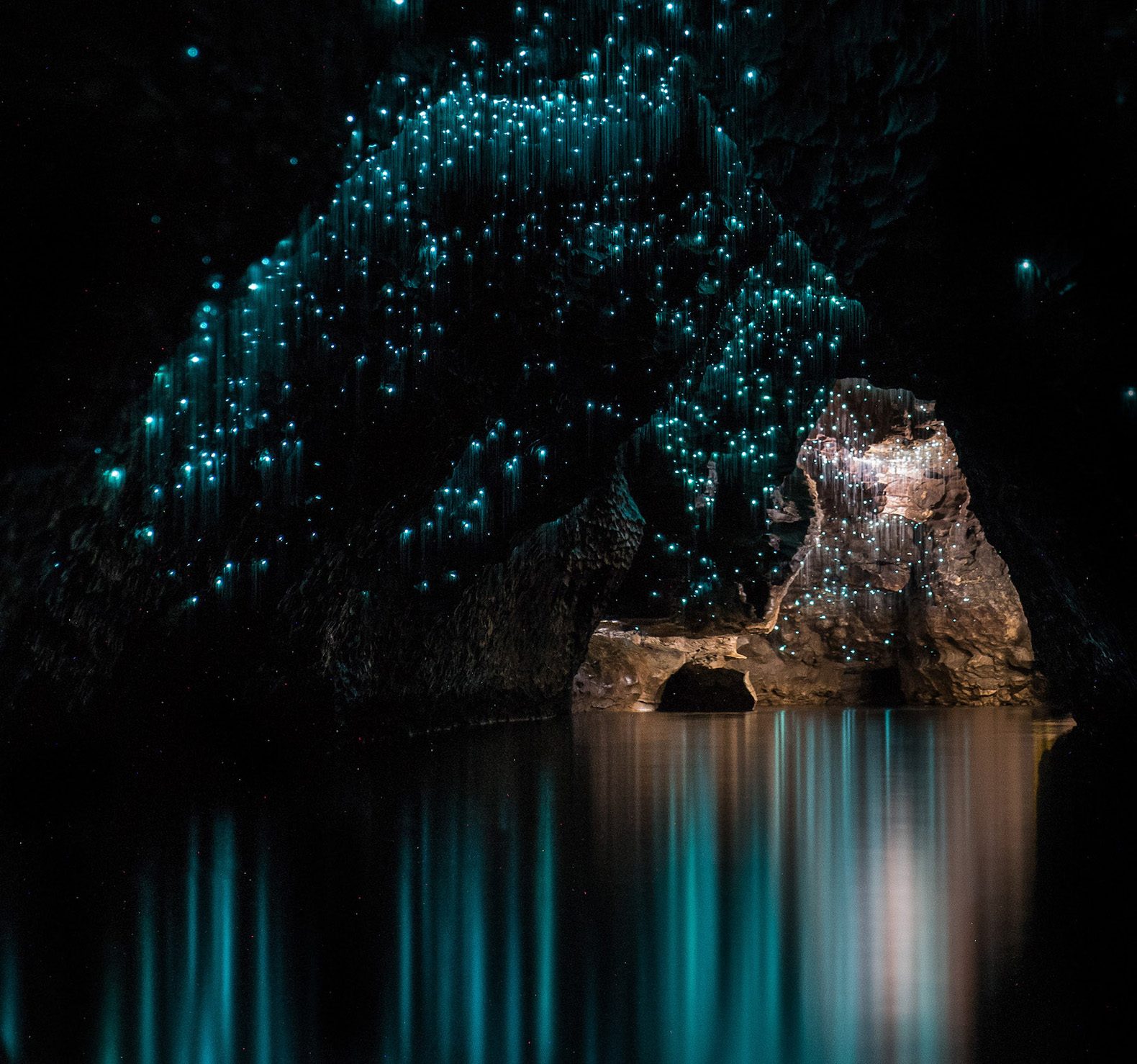
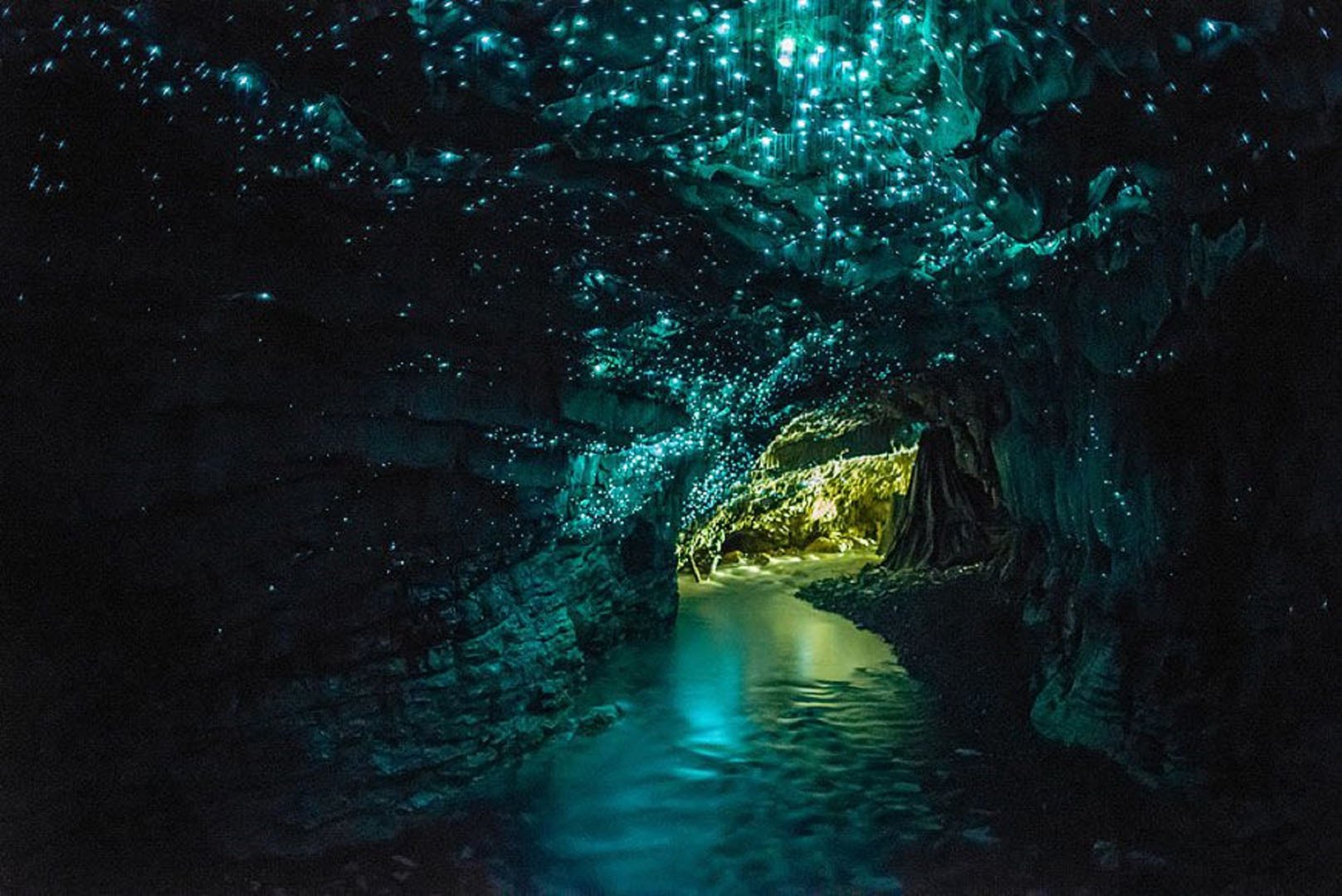
The passage narrows, then opens into a low chamber where the guide asks everyone to turn off their lights. You stand in absolute black for ten seconds. Then your vision begins to register faint blue-green points overhead—dozens, then hundreds, then thousands of glowworm larvae suspended across the ceiling like a dense star field. No one speaks. The only sound is water dripping somewhere deeper in the cave. You stay there for five minutes, long enough to see individual threads catch the glow, before the torches click back on and you retrace your steps to daylight.
All the details about your upcoming adventure in one place
The paihia to kawiti glowworm caves route takes you 20 minutes inland from the Bay of Islands to a privately owned limestone cavern system. Guided walks through the caves reveal thousands of bioluminescent larvae illuminating underground chambers and rock formations. Paihia to kawiti glowworm caves tours operate year-round with Māori cultural interpretation woven into the geological experience.
The Kawiti Glowworm Caves remained a privately guarded secret of the Kawiti whānau for over a century before opening to guided visits in 1989.
Carved by underground streams through the Waiomio Valley's Oligocene limestone, the cave system holds formations sculpted across twenty-eight million years of tectonic pressure and water flow. Stalactites descend like organ pipes in the cathedral chamber, while flowstone curtains drape across narrow corridors where visitors walk single-file beneath ceilings glowing with Arachnocampa luminosa larvae—New Zealand's endemic fungus gnat, whose bioluminescent threads create a living star field in absolute darkness.
Unlike commercial caves fitted with artificial lighting and concrete pathways, Kawiti preserves its raw earthen floor and natural contours. Manukau Kawiti, descendant of the Ngāpuhi rangatira who first explored these passages, leads tours that weave Māori oral tradition with geological interpretation. The glowworms cluster most densely in the cave's deepest recess, where humidity and temperature remain constant year-round and the absence of wind allows their sticky fishing lines to hang undisturbed. Each larva produces cold light through a luciferin-luciferase reaction, emitting wavelengths between 460 and 490 nanometers—a blue-green spectrum visible to prey insects but gentle enough not to disturb neighboring colonies.
Paihia to Kawiti Glowworm Caves represents one of three privately owned glowworm sites in Northland accessible by guided tour, distinguished by its intact Māori stewardship and absence of theme-park infrastructure. The cave temperature holds steady at fifteen degrees Celsius regardless of surface conditions, and the walk requires no climbing or crawling—the main passage averages two meters in height and follows the original streambed that carved it. Visitors arriving from the Bay of Islands traverse thirty-two kilometers of inland farmland to reach Waiomio, a settlement that appears on few tourist maps but serves as the cultural and geographical gateway to this subterranean ecosystem.
The Kawiti family maintains the cave as a working conservation site rather than a high-volume attraction. Tour groups remain small—typically under twenty—and the guides extinguish all torches in the glowworm chamber to allow full dark adaptation. That moment of silence, standing in a limestone void while thousands of larvae glow overhead, offers a encounter with deep time and biological patience rarely available in Northland's coastal tourism circuit. The experience lasts forty-five minutes from entry to exit, but the afterimage of that living ceiling persists far longer.
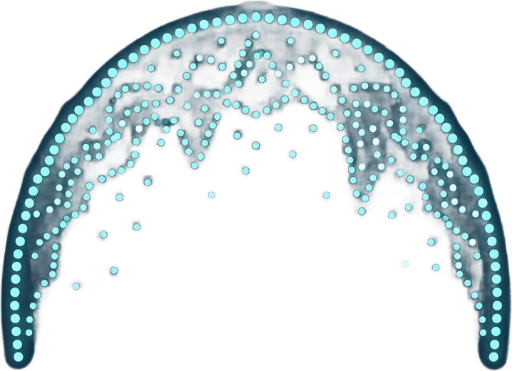
Each larva produces cold light through a luciferin-luciferase reaction, emitting wavelengths between 460 and 490 nanometers.
Wear flat, enclosed footwear with good grip for wooden walkways. A light jacket is recommended as the subterranean environment remains cool.
Keep personal belongings to a minimum as there is no secure storage on-site. Visitors should carry essential items in small bags only.
Photography and video recording are strictly prohibited inside the caverns to protect the sensitive glowworm habitat. Your guide may assist with designated photo opportunities outside.
The cave visit is suitable for most children, though the dark environment can be intimidating for some young ones. All children must be accompanied by an adult.
The site is not suitable for wheelchair or pushchair access due to the cave terrain and bushwalk path. Handrails are provided along the boardwalks for safety.
No food or drink is permitted inside the cave system. Consume snacks or drinks prior to starting your tour.
Opening hours
09:00–16:00 daily
Address
49 Waiomio Road, Waiomio, Kawakawa 0210, New Zealand
Accessibility
Boardwalks available, no wheelchairs/pushchairs
Best arrival window
09:00–15:00
No storage
Carry minimal personal items
Contact
+64 9 404 0583
Full refund available for cancellations made at least 24 hours in advance. No-shows or late cancellations forfeit the 50 NZD adult admission fee.
Recommended time
1 hour
A journey from paihia to kawiti glowworm caves typically requires about an hour for the guided tour experience itself. Those securing paihia to kawiti glowworm caves tickets should anticipate additional time for travel and checking in before their scheduled walk through the limestone grotto. Purchasing paihia to kawiti glowworm caves tours in advance helps streamline your entry, though arriving within the recommended 09:00–15:00 window generally ensures a smooth pace regardless of visitor volume.
Crowd levels through the day
The limestone caves at Waiomio have been known to Māori for centuries, long before European settlement reached the Bay of Islands. The Kawiti family, descendants of the renowned rangatira Kawiti who fought alongside Hone Heke during the Northern War of 1845–46, maintained guardianship over the land and its subterranean passages. The caves themselves formed over millions of years as acidic water carved through the Waiomio Valley karst, creating chambers adorned with stalactites, flowstone, and the bioluminescent larvae of Arachnocampa luminosa—the native glowworm species unique to New Zealand. In the mid-20th century, the Kawiti whānau began opening the caves to visitors, recognizing both their ecological significance and their potential to share Māori stewardship values with a wider audience. By the 1980s, guided tours along the paihia to kawiti glowworm caves route had become a fixture for travelers seeking an alternative to the commercialized Waitomo experience. The family resisted pressure to install electric lighting or concrete pathways, preserving the caves' natural darkness and fragile ecosystem. This decision ensured that glowworm colonies thrived undisturbed, their larval threads casting a constellation effect across the chamber ceilings. Today, the Kawiti Caves remain privately owned and operated by the Kawiti family, who lead tours emphasizing both geological formation and cultural connection to whenua. The site incorporates traditional pōwhiri protocols for groups and interpretive panels detailing the rangatira Kawiti's legacy. Recent conservation efforts have focused on managing humidity levels and visitor numbers to prevent damage to speleothems and glowworm habitats. The paihia to kawiti glowworm caves tours now attract researchers studying bioluminescence alongside tourists drawn by the intimate, family-guided experience. Unlike larger cave systems, Kawiti has avoided expansion, maintaining its character as a living taonga under continuous whānau stewardship since pre-colonial times.
Māori inhabit the Waiomio Valley and know the limestone caves as part of ancestral lands.
Rangatira Kawiti leads forces in the Northern War; his descendants inherit guardianship of the cave land.
The Kawiti whānau begins informal guided tours, sharing the caves with early Bay of Islands visitors.
Structured tours along the route from Paihia gain popularity as an authentic, family-run alternative to commercial operations.
Conservation protocols are formalized to protect glowworm colonies and fragile limestone formations.
The Kawiti family continues daily operations, integrating Māori cultural education with speleological interpretation.
Traveling from paihia to kawiti glowworm caves offers families a manageable excursion into a limestone underworld. This guided experience allows children to observe bioluminescent larvae in a natural setting while learning about the local ecosystem.
The cave path is not suitable for strollers due to uneven, natural terrain; bring a front pack or baby carrier for infants.
The guided trail is generally suitable for children who can walk independently, though paihia to kawiti glowworm caves tours require navigating varied ground that may challenge toddlers.
There are no specialized baby-change facilities on-site, so please plan your personal care logistics accordingly before departing.
You can secure paihia to kawiti glowworm caves tickets upon arrival, but keep in mind that the guided walk moves at a pace determined by the group.
The cave environment remains consistent regardless of weather, making this a reliable choice for your paihia to kawiti glowworm caves tour when other outdoor activities are limited by rain.
Real experiences from real travelers
The drive from Paihia takes about 25 minutes through beautiful countryside. Our guide explained the life cycle of the glowworms and the cave's geology in fascinating detail. The moment you enter the main chamber and see thousands of tiny lights above you feels like standing under a living night sky. The acoustics inside are remarkable—our guide demonstrated traditional Māori songs that echoed through the chambers.
Smaller and quieter than the more famous Waitomo caves, which made the experience feel more personal. The limestone formations date back millions of years and the glowworm population here is thriving. We visited on a Wednesday morning and had only six people in our group. The underground stream running through the cave adds a peaceful sound backdrop. Worth the short trip from the Bay of Islands.
What sets Kawiti apart is the strong cultural narrative woven into the tour. The caves hold significance for local iwi and our guide shared stories passed down through generations. The bioluminescence is spectacular—more concentrated than I expected in the main viewing area. Temperature inside stays around 15°C year-round so bring a light jacket even in summer.
If you're staying in Paihia this is much closer than driving all the way to Waitomo. The cave system is more compact but the glowworm density is excellent. Tour lasts about 45 minutes including the walk through native forest to reach the entrance. The site is family-owned and operated which gives it a genuine local feel. Only downside is limited tour times—book ahead.
The paihia to kawiti glowworm caves journey is straightforward with clear signage once you leave State Highway 1. Inside the cave the guides turn off all lights for a minute so you can see the full glowworm display—absolute darkness except for thousands of blue-green points of light. The stalactites and flowstone formations are impressive too. Our guide was exceptionally knowledgeable about the local ecosystem.
Visited during autumn and the forest walk to the cave entrance was lovely with changing colors. The tour size is kept small which allows for questions and better viewing positions. Glowworms are actually larvae of a fungus gnat species unique to New Zealand—fascinating biology. The cave stays naturally lit by the organisms with no need for artificial enhancement in the main chamber.
Easy 20-minute drive from central Paihia makes this an ideal half-day activity. The cave temperature is cool and refreshing on a hot summer day. Our guide pointed out different glowworm life stages and explained how they use bioluminescence to attract prey. The underground stream creates interesting reflections of the lights. Photography isn't allowed inside to protect the glowworms but the memory stays vivid.
The family that owns the Kawiti Caves has been operating tours for decades and their passion shows. They've maintained the cave in pristine condition with minimal infrastructure—just safe walkways that don't disturb the ecosystem. The density of glowworms in the cathedral chamber is extraordinary. Plan for about 90 minutes total including the forest walk and tour. Best natural attraction we saw in Northland.
As a Kiwi I've seen several glowworm caves and Kawiti holds its own beautifully. The cultural component adds depth—learning about the cave's role in Māori tradition enriches the experience. The formations are well-preserved and the glowworm colonies are healthy and abundant. Supporting a local Māori-owned tourism operation felt meaningful. The drive through rural Northland is scenic in itself.
The paihia to kawiti glowworm caves route is well-maintained and easy to navigate. Once inside the cave system the scale surprises you—chambers are larger than the exterior suggests. The guides use minimal lighting to preserve the glowworms' natural behavior. We learned that each larva produces a silk thread with sticky droplets to catch insects. The whole ecosystem is delicate and carefully protected. Tour operates rain or shine since you're underground.
Everything you need to know for your journey
Kawiti Caves is open daily from 09:00–16:00.
The adult admission fee for the guided tour at Kawiti Caves is 50 NZD per person.
Yes, the tour is family-friendly, but note that the dark environment may be intimidating for very young children; they must be accompanied by an adult.
Photography and video recording are prohibited inside the caves to protect the glowworms, though you may take photos outside.
To avoid crowds and ensure a smooth experience, the best arrival window is 09:00–15:00.
No, the Kawiti Caves site is not accessible to wheelchairs or pushchairs due to the nature of the cave paths.
Wear flat, closed-toe walking shoes and a light jacket, as it is cooler inside the caverns.
Food and drinks are strictly prohibited inside the cave environment.
You can reach the Kawiti Caves from Paihia via a short 20-minute drive; visitors often use rental cars or local transport services.
Join thousands of happy travelers who have discovered this incredible experience
Book Your Experience Now